
Stages of Parkinson’s
Stages of Parkinson’s: Understanding Progression
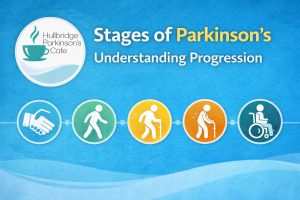
Parkinson’s disease is a progressive neurological condition, which means symptoms develop gradually over time. While everyone experiences Parkinson’s differently, understanding the general stages can help people better prepare for changes and access the right support.
 Does Parkinson’s Progress the Same for Everyone?
No two people experience Parkinson’s in exactly the same way. Some people may notice slow progression over many years, while others may experience more noticeable changes in a shorter period of time.
The stages are used as a general guide rather than a strict timeline. They help describe how symptoms may develop, but they do not predict exactly how Parkinson’s will affect an individual.
Stage 1: Early Symptoms
In the early stage, symptoms are usually mild and may not interfere significantly with daily life. Changes often affect one side of the body.
- Slight tremor in one hand or limb
- Minor stiffness or slowness
- Subtle changes in posture or facial expression
Many people at this stage continue with normal routines and may not immediately seek medical advice.
You can also read more about early signs of Parkinson’s.
Stage 2: Symptoms Become More Noticeable
Symptoms may begin to affect both sides of the body, although they may still be mild to moderate.
- Increased stiffness and reduced movement
- Changes in walking or posture
- Daily tasks may take longer
At this stage, people often begin to adapt routines and may seek more structured medical advice.
Stage 3: Balance and Movement Challenges
Stage 3 is often considered a midpoint in Parkinson’s progression. Symptoms can have a greater impact on independence.
- Reduced balance and coordination
- Increased risk of falls
- Slower movements affecting daily activities
Many people are still able to live independently but may benefit from additional support.
Stage 4: Increased Support Needed
Symptoms become more advanced and daily life is more affected.
- Significant difficulty with movement
- Need for assistance with some daily activities
- Reduced ability to move independently
Support from carers, family members or healthcare professionals often becomes more important at this stage.
Stage 5: Advanced Parkinson’s
In the most advanced stage, individuals may require full-time support.
- Limited mobility or inability to stand or walk unaided
- Increased reliance on others for daily care
- Greater impact on overall wellbeing
Care at this stage focuses on comfort, safety and quality of life.
Living Well at Every Stage
Although Parkinson’s progresses over time, many people continue to live meaningful and active lives with the right support.
Community groups, such as Hullbridge Parkinson’s Cafe, provide opportunities to connect with others, share experiences and access support in a friendly environment.
Local support can play an important role at every stage of the condition.
Where to Find Support
If you or someone you know is living with Parkinson’s, support is available.
Final Thoughts
Understanding the stages of Parkinson’s can help people feel more informed and prepared. While progression varies, having access to information and support can make a meaningful difference over time.
If you have concerns about symptoms or progression, speaking to a healthcare professional is always recommended.